The unity of the church and Christianity is irrevocably behind us; differentiation is increasing in all areas, including religion. Just as Roman Catholics and Protestants, Lutherans and Reformed have had to get used to existing side by side. God seems to want to teach us even more in this direction; his teaching in previous centuries of the lack of charity of our hearts has not yet been received seriously enough.

Currently reading: The Problem of Pain by C. S. Lewis 📚
treasures old and new


Finished reading: The Decadent Society by Ross Douthat 📚
Douthat’s commentary is unfailingly wise and incisive. He’s one of a vanishingly small number of writers who can make a case in such a reasonable way that those with different priors can still acknowledge the seriousness of his position. It’s hard to imagine a person of any political persuasion contesting the main contours of his description of our decadent age. Even his predictions and possible paths forward, which are by nature more speculative, seem sensible enough.
RIP mummy
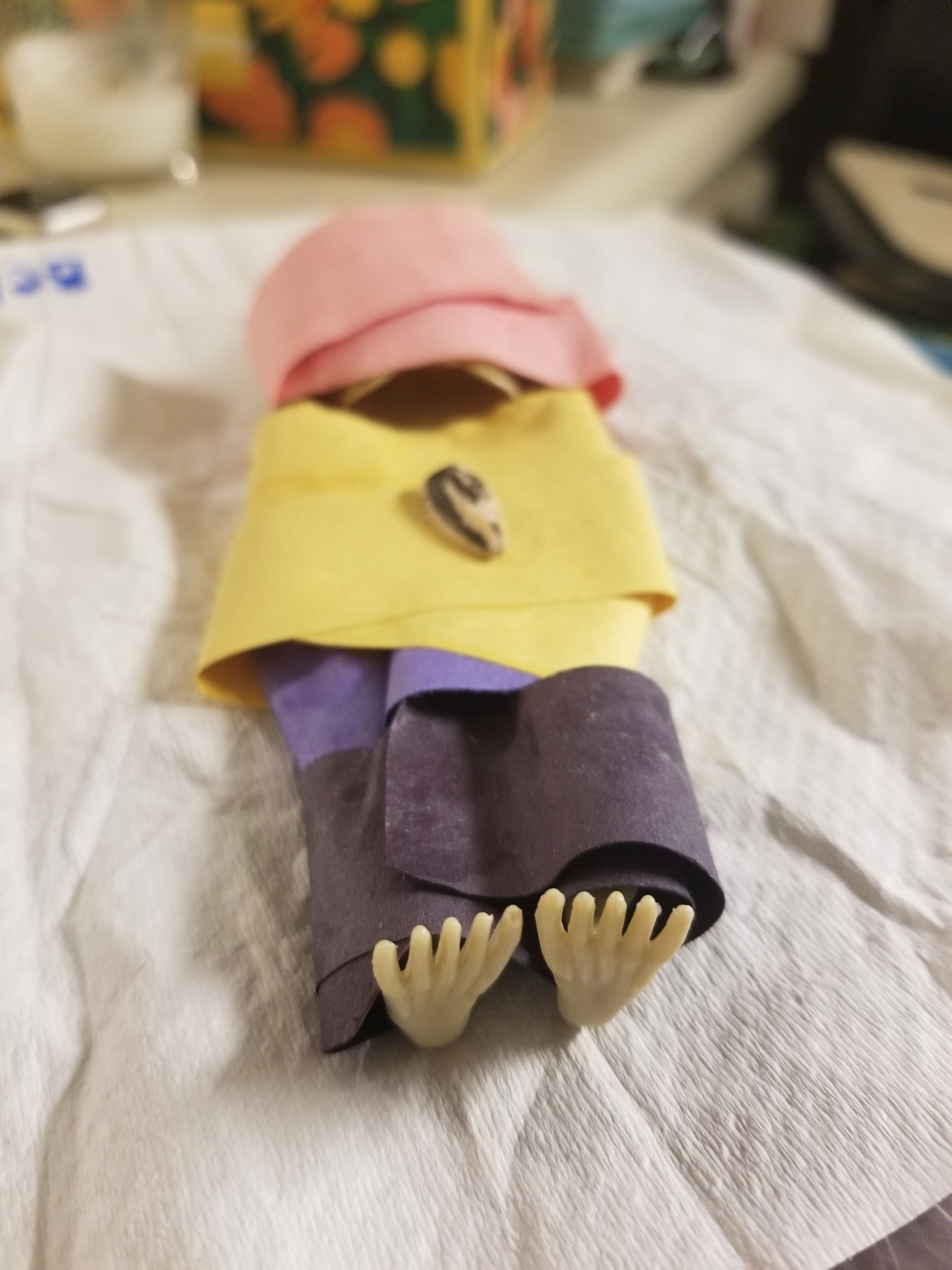
Courtesy of Arielle Austin

Currently reading: Esther and Her Elusive God by John Anthony Dunne 📚

Currently reading: What Is Christianity? by Herman Bavinck 📚
The question of where to live and what to do is really insignificant compared to the question of how to keep the eyes of my heart focused on God. I can be teaching at Yale, working in the bakery at the Genesee Abbey, or walking around with poor children in Peru, and feel totally useless, miserable, and depressed in all these situations.
There is no such thing as the right place, the right job, the right calling or ministry. I can be happy or unhappy in all situations. I am sure of it, because I have been. I have felt distraught and joyful in situations of abundance as well as poverty, in situations of popularity and anonymity, in situations of success and failure. The difference was never based on the situation itself, but always on my state of mind and heart. When I knew I was walking with God, I always felt happy and at peace. When I was entangled in my own complaints and emotional needs, I always felt restless and divided.
It is a simple truth that comes to me now, in a time when I have to decide about my future. Deciding to do this, that, or the other for the next five, ten, or twenty years is no great decision. Turning fully, unconditionally, and without fear to God is. Yet this awareness sets me free.